


During winter, bonsai trees slow their growth or enter full dormancy. While this rest period is natural and necessary, it also makes them more vulnerable to cold, frost, and overwatering. By giving your bonsai the right winter care, you help it conserve energy, avoid damage, and emerge stronger once the warmer weather returns.
Caring for Outdoor Bonsai in Winter
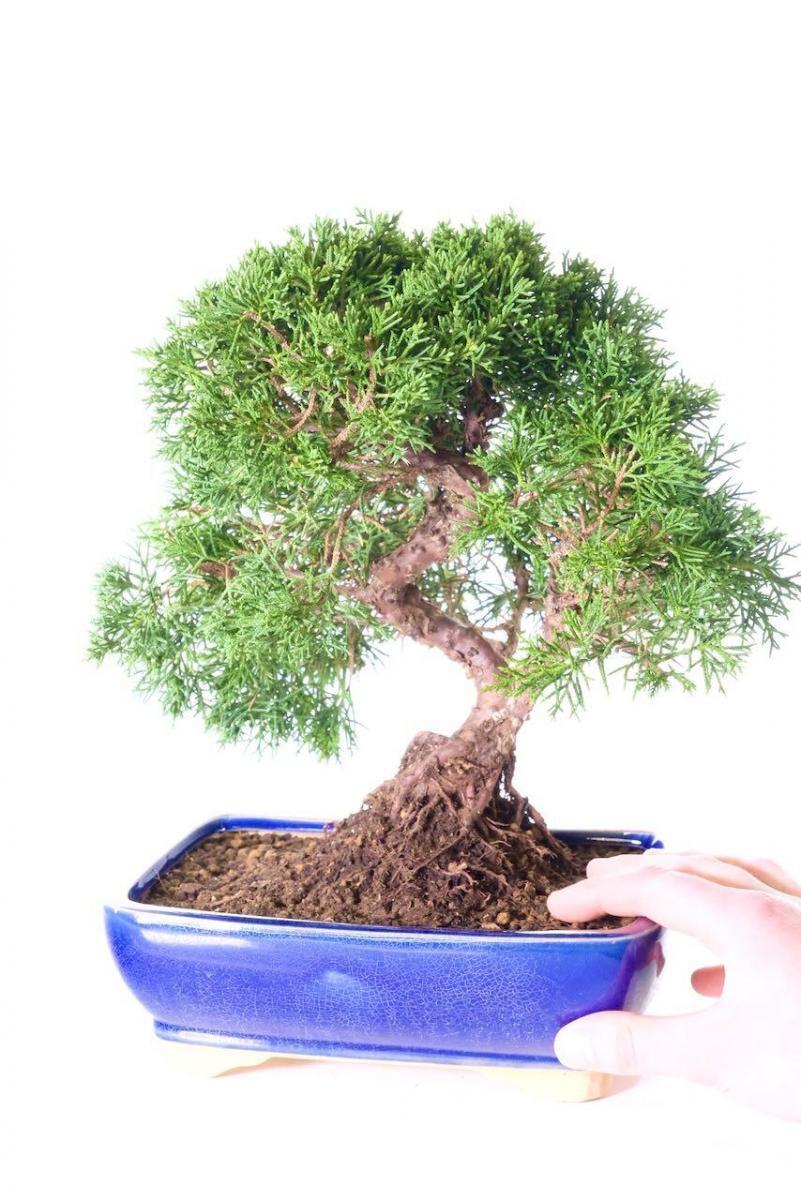
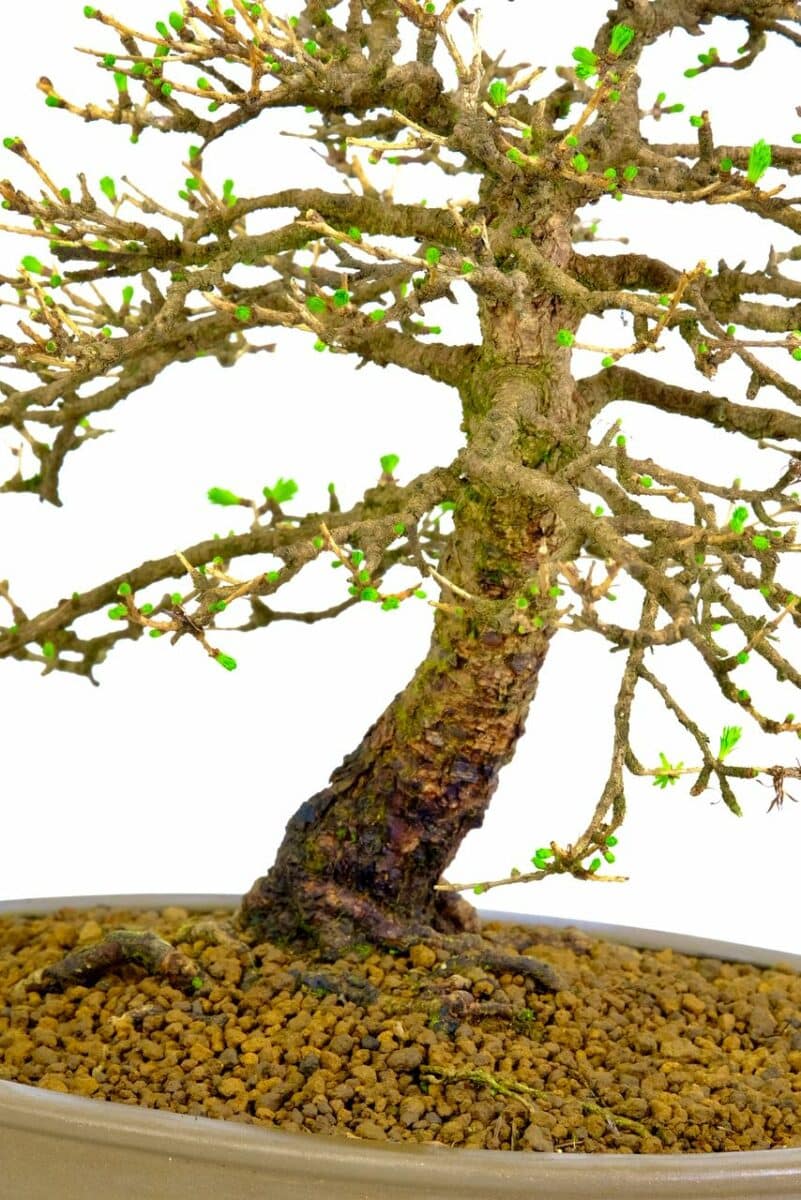
Outdoor bonsai come in two types: evergreen or deciduous. Evergreen varieties include junipers, pines, and pyracantha, which maintain their foliage all year. They can add a pop of colour and life to your garden or outdoor space during winter. Deciduous varieties lose their leaves over winter, allowing us to admire the trunk shape and the opening of buds during the spring. Including oaks, birch, and beech, deciduous trees follow the English seasons remarkably, and are truly amazing to watch.
1. Protect Your Tree from Frost
Most outdoor bonsai—such as pines, junipers, and deciduous varieties—are hardy but still benefit from protection during long periods of very cold weather.
Consider:

- Placing the bonsai in a cold frame or unheated greenhouse
- Moving it against a sheltered wall
- Using mulch or bubble wrap around the pot (never around the foliage)
This helps keep the roots insulated without interfering with natural dormancy.
It may seem counter-intuitive, but frozen soil can cause dehydration in a bonsai tree, as it cannot absorb water thorough its roots. If the rootball remains frozen for a couple of days, it is worth moving it to a more sheltered, slightly warmer position for a couple of hours until the rootball has thawed. Please do not move it inside or into a hot area, as this can shock the tree.
2. Avoid Temperature Shock
Abrupt changes in temperature can damage tender roots. Try to keep your bonsai in a stable, cool environment—cold, but not freezing for long periods.
3. Adjust Watering Carefully
In winter, your bonsai will need significantly less water.
Check the soil daily, but only water when:
- The top layer of soil is dry
- The pot feels noticeably lighter
Overwatering is one of the most common winter mistakes, so follow a “less is more” approach.
Caring for Indoor Bonsai in Winter
1. Provide Enough Light
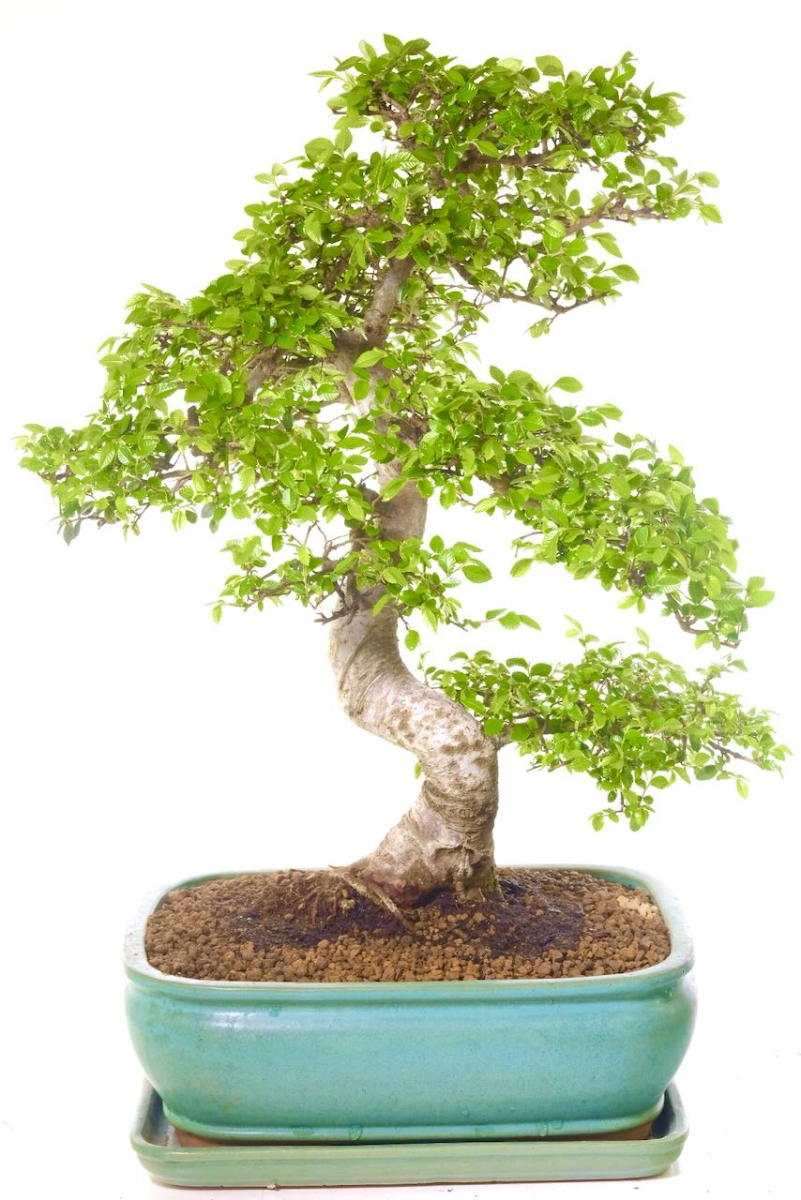
Winter days are shorter, and indoor bonsai—like Chinese Elms, Ficus, and S-shape varieties—may struggle with reduced sunlight.
To support them:
- Place near a bright south-facing window
- Supplement with a grow light if needed
Good light helps prevent leaf drop and weak, leggy growth.
2. Keep Away from Heat Sources
Avoid placing your bonsai near radiators, fireplaces, or draughty doorways. Indoor heating can dry out the soil and foliage, making winter care more difficult.
3. Maintain Humidity
Indoor air can become very dry in winter. To maintain humidity:
- Use a humidity tray
- Mist the leaves lightly (for species that tolerate it)
- Keep your bonsai away from forced-air heating
This prevents leaves from becoming brittle or drying out.
Winter Feeding and Pruning
Fertiliser
Most bonsai do not need feeding during winter, as their growth naturally slows. Resume feeding in early spring when new buds appear.
Pruning
Avoid major pruning during winter. Light trimming is fine, but structural shaping should wait until spring or mid-summer depending on the species.
Check for Pests
Winter is a common time for pests such as spider mites or scale insects to appear—especially on indoor bonsai.
Inspect your tree regularly and treat any issues early with a suitable bonsai-safe product.
Final Thoughts on Winter Bonsai Care
With the right approach, caring for your bonsai over winter is simple and rewarding. By protecting roots from frost, adjusting watering, managing light levels, and monitoring humidity, you’ll ensure your tree stays healthy through the colder months.
Winter bonsai care doesn’t have to be complicated—just consistent. And when spring arrives, your bonsai will be ready to burst into life once again.


Keith Hicks –
Hi
I have Chinese fucus tea tree, I think that’s how you spell it.
Since I’ve had it, about two years, the leaves have become much bigger.
Is there anything I can do to reverse the growth.
Thanks
Keith
Olea Noall –
Hi Keith,
Sounds like maybe you have a Fukien Tea Tree?
It is hard to tell without seeing the bonsai, but keeping the bonsai well pruned can encourage back budding.
This can stop the leaves getting too big, as energy goes towards growing new buds as opposed to growing leaves and branches.
Another thing to consider might be where you are keeping it. If it is not getting enough light, it can grow bigger leaves to maximise photosynthesis.
Hopefully this helps, and if you have any more questions, we are always here to help!
Philip J –
Helpful reminder about how sensitive bonsai can be during the colder months. One thing I’ve found useful is paying extra attention to how quickly soil dries indoors during winter heating—it can fluctuate more than expected.