

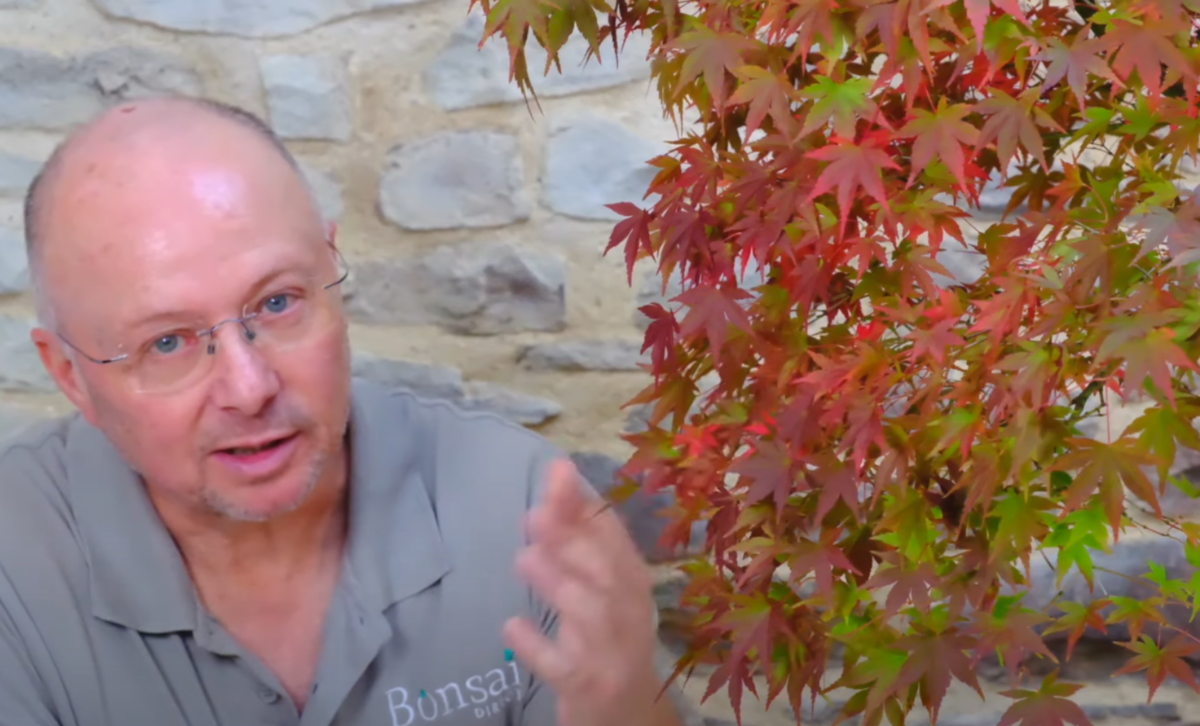
As the days grow shorter and the light mellows to a golden hue, bonsai enthusiasts are treated to one of nature’s most breathtaking shows: the turning of the leaves. Autumn is a magical season in the bonsai calendar, where patience, pruning, and horticultural care pay off in a riot of colour — all in miniature. Read below to find out about my favourite autumn bonsai colours.
Some species are especially revered for their autumn displays. Let’s take a closer look at five standout trees that transform any bonsai bench into a vibrant celebration of the season: Beech, Maples, Loropetalum, Red Oaks, and Pyracantha.

1. Beech (Fagus sylvatica)
Beech trees are subtle stars of the autumn bonsai scene. European Beech offer golden to coppery hues, with foliage that seems to glow in the soft autumn light. What’s particularly charming is that many beech species hold onto their dead leaves well into winter, giving the tree a textured, sculptural presence long after the colour fades.
In bonsai form, the fine branching structure of Beech really comes into its own during this season, especially when paired with their smooth, silver-grey bark. It’s a lesson in contrast — soft, dry foliage and cold, clean lines.
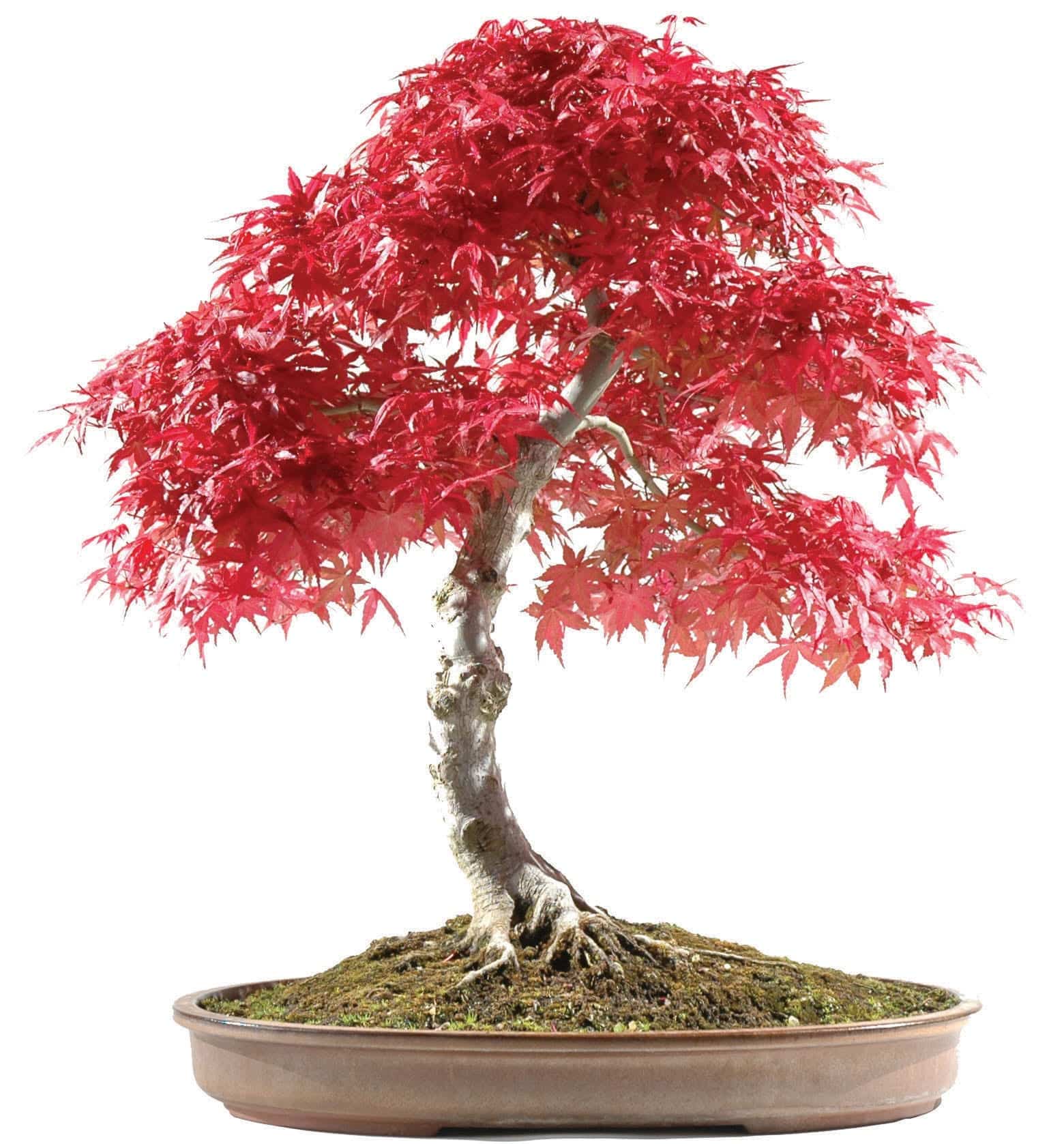
2. Japanese Maples (Acer palmatum)
No list of autumnal bonsai would be complete without Maples. Japanese Maples are the superstars of autumn, known for their brilliant reds, oranges, and yellows. Each cultivar tells its own seasonal story — from the scarlet flames of ‘Deshojo’ to the warm yellows of ‘Katsura’.
Maples respond directly to temperature and light, making them sensitive indicators of the season’s arrival. With proper defoliation techniques during summer and careful feeding schedules, their autumn colours can be intensified and prolonged.
Pro tip: Cooler nights and bright days produce the most vivid leaf colours. A few well-timed cold snaps can make your maple light up like a lantern.
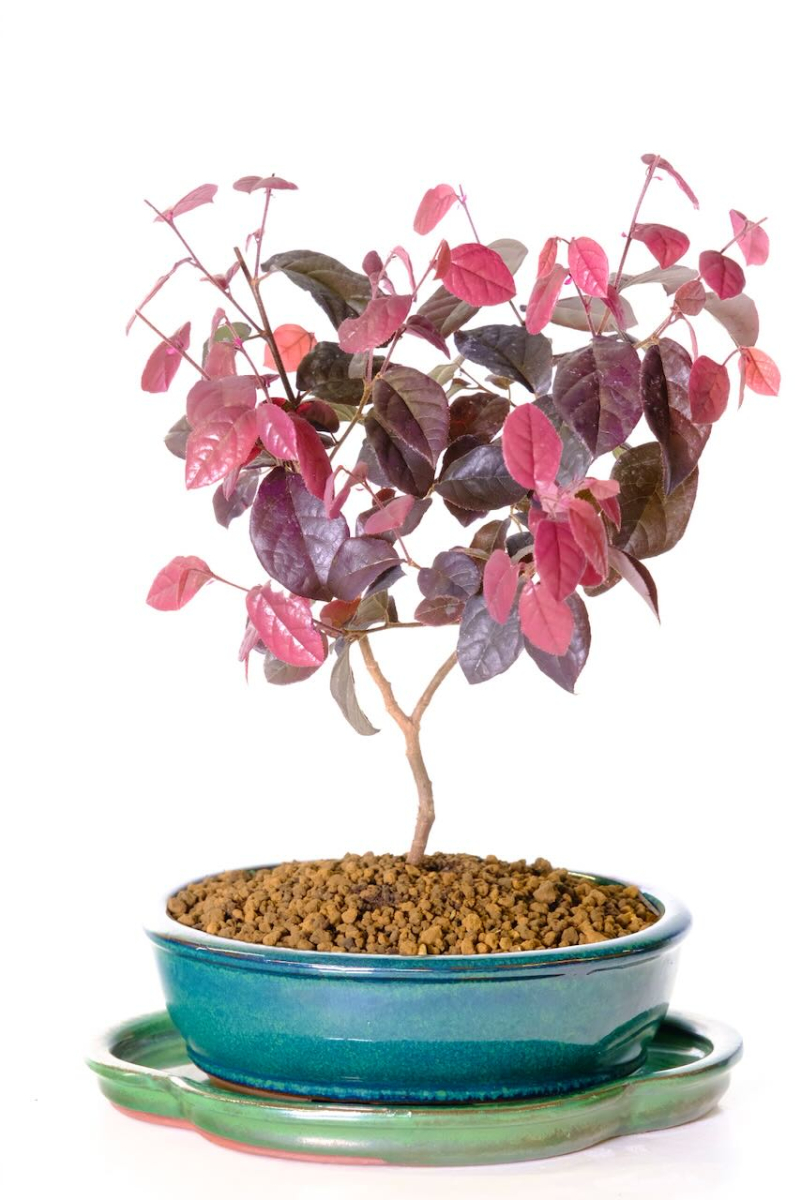
3. Chinese Blush Tree (Loropetalum chinense)
Loropetalum might not be a traditional bonsai species in temperate regions, but its autumn appeal is undeniable — especially in warmer climates. The deep burgundy to plum-purple foliage doesn’t change with the season in the same way as deciduous trees, but rather deepens and intensifies, adding rich contrast to more fiery species.
The fine leaves and wiry branches lend themselves well to informal bonsai styles, and the rare sight of its spidery pink flowers in late autumn or early winter is a bonus surprise.
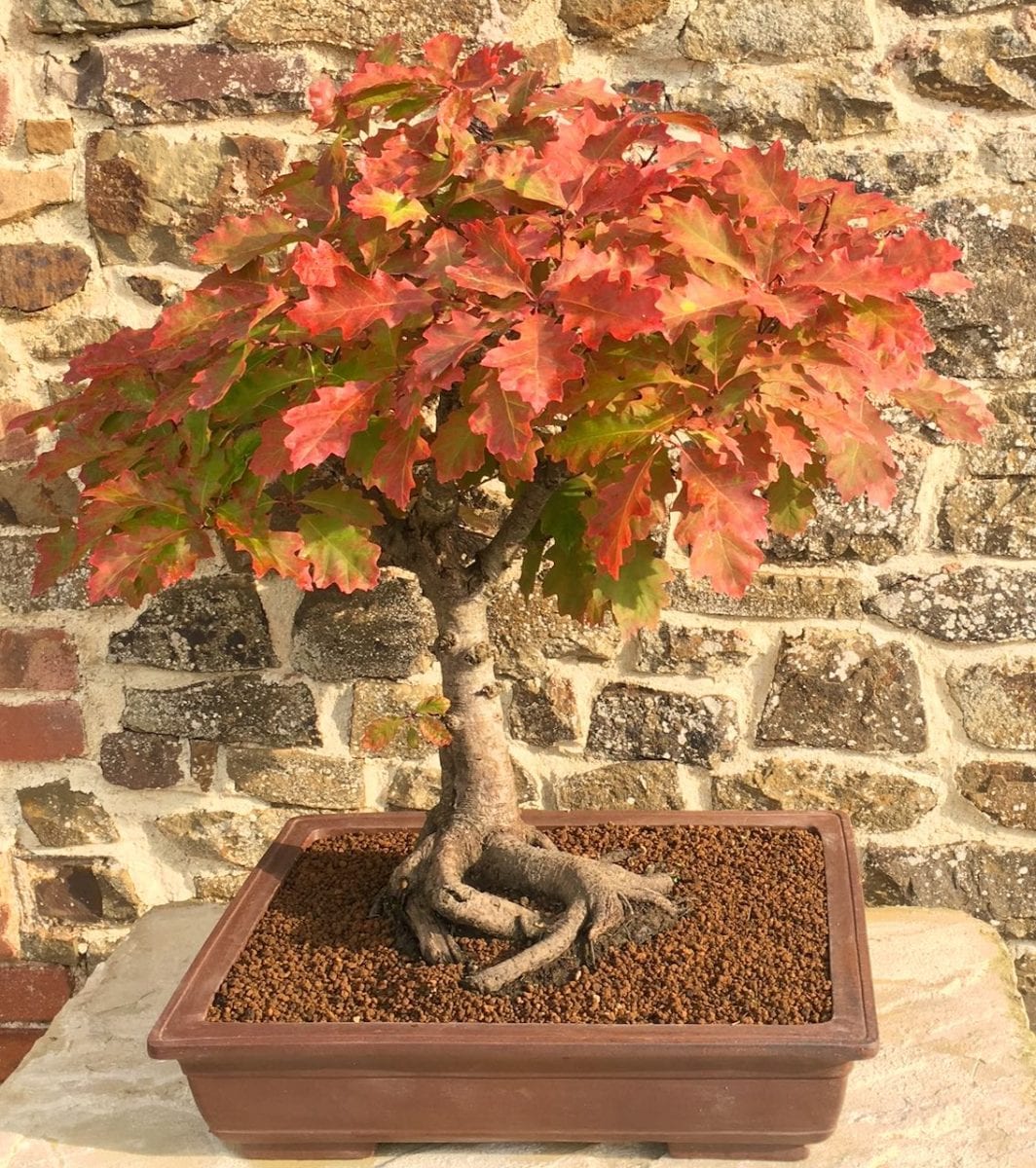
4. Red Oaks (Quercus rubra)
The Red Oak is a majestic tree in the landscape, but in bonsai form, it becomes a bold, rugged character with one of the richest autumn colour palettes around. Its large leaves turn deep crimson to russet red, sometimes with orange undertones — an echo of their towering cousins in wild forests.
Red Oaks require more leaf-size management than other species, but their lobed structure and bold colour payoff in autumn make the effort worthwhile. And like beech, they often cling to their withered leaves through winter, offering seasonal texture and interest.
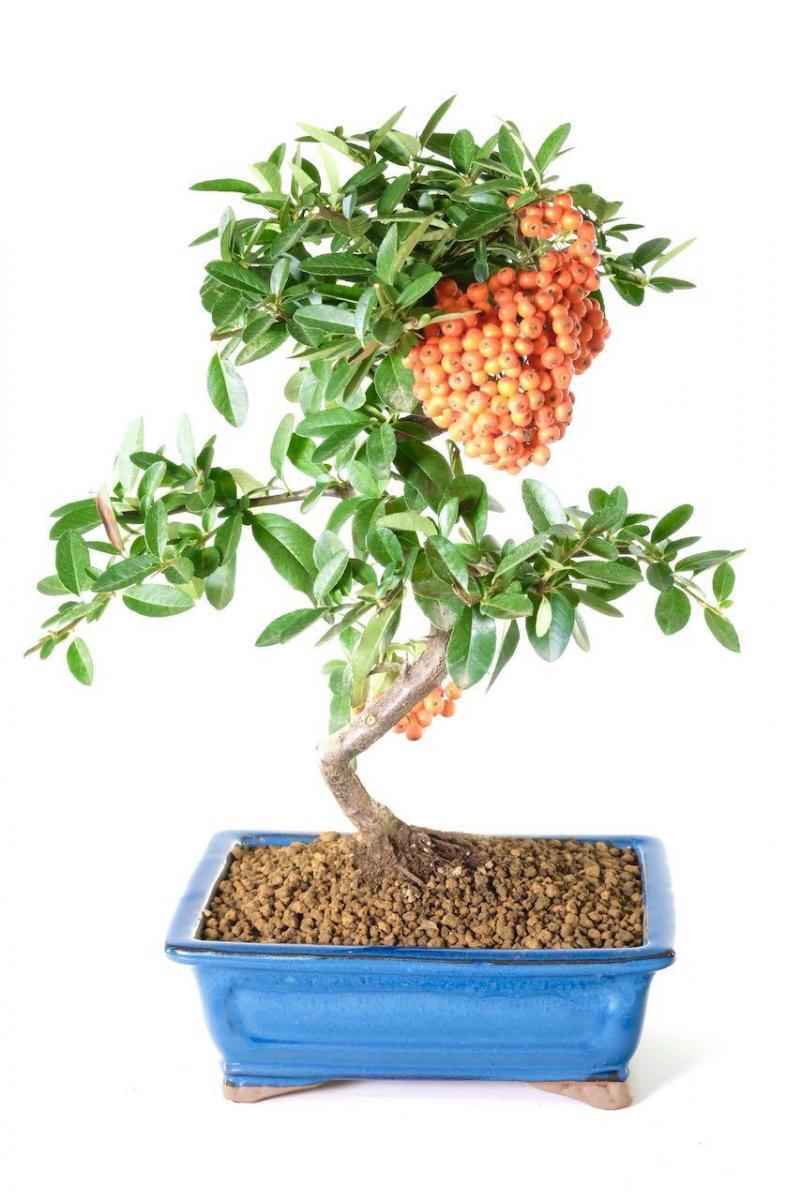
5. Firethorn (Pyracantha)
Unlike the leafy colour fireworks of other species, Pyracantha brings fruit to the autumn show. Its fiery orange, red, or yellow berries glow like embers against evergreen foliage, often persisting well into winter and sometimes even into the first snowfall.
While not known for leaf colour change, Pyracantha’s dense berry clusters offer a unique autumn aesthetic — especially striking when trained into upright or cascade styles. Birds may try to steal the show (and the berries), so consider netting if you want your display to last.
Final Thoughts: A Living Landscape Full of Autumn Bonsai Colours
The beauty of bonsai in autumn lies not just in the colours themselves, but in the juxtaposition of forms, tones, and textures. A well-curated bench — with maples in full flame, beech in burnished gold, pyracantha bejeweled in berries, and oaks glowing red — becomes a living, breathing painting.
Autumn reminds us why we do bonsai: not for speed, but for seasons. Not for control, but for connection. And not just for growth, but for change.
So take a moment. Step back. Breathe in the crisp air. And let your bonsai bench reflect the fire and fading light of autumn — a miniature world in perfect seasonal harmony.

0 replies