

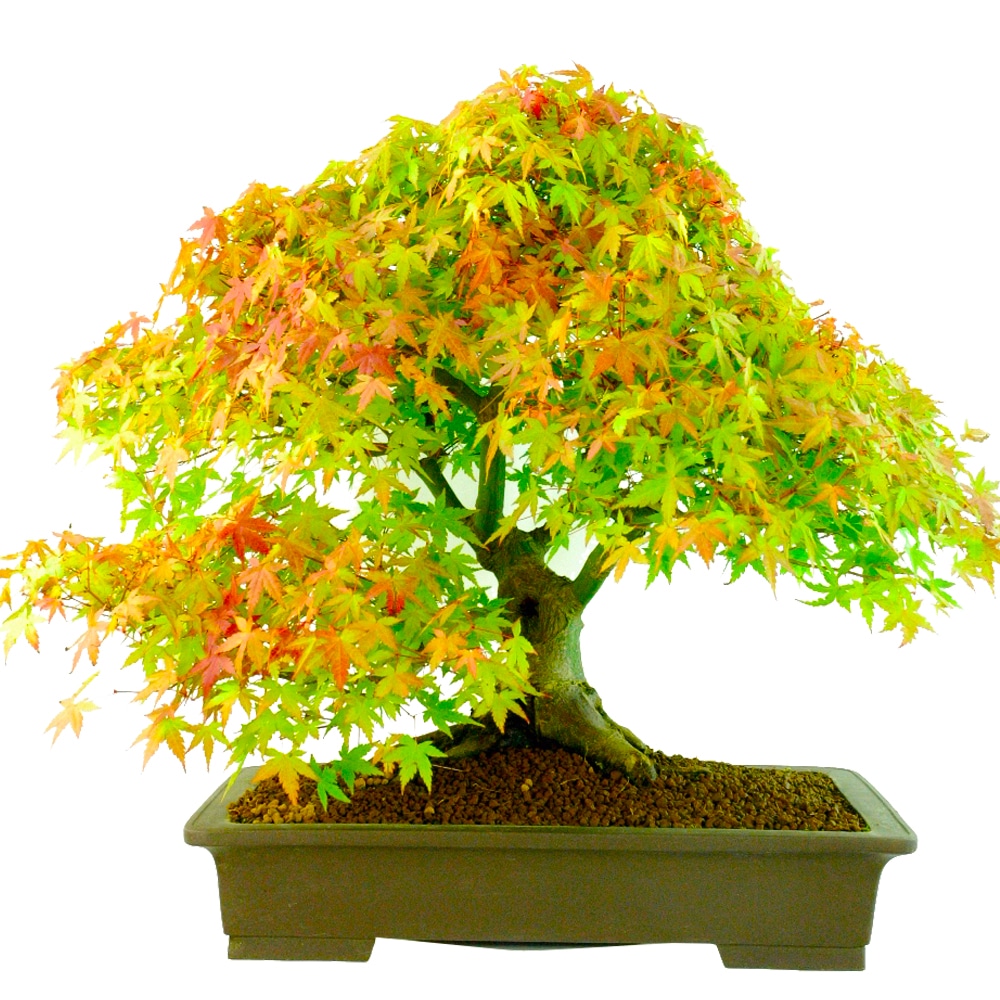

Japanese Maple trees (Acer palmatum) are among the most stunning and beloved species used in the art of bonsai. Known for their graceful structure, delicate, lacy leaves, and brilliant seasonal colours—ranging from soft greens in spring to fiery reds and oranges in autumn—they bring a level of elegance and refinement that few other trees can match.
Thanks to their natural beauty and responsive growth habits, Japanese Maples have become a favourite among bonsai enthusiasts at all levels—from absolute beginners trying their hand at their first tree, to seasoned artists shaping show-quality specimens over decades. Their adaptability and aesthetic appeal make them a truly rewarding species to work with.
But as beautiful as they are, Acer palmatum bonsai require specific care and conditions to thrive—especially when it comes to indoor growing, seasonal changes, and long-term development. Before you start shaping one into a miniature masterpiece, it’s important to understand how they grow, whether they can be kept indoors, and how long it really takes to create a mature, healthy bonsai.


In this post, we’ll cover the key questions:
- Can you bonsai a Japanese Maple?
- Can it grow indoors?
- How long does it take to grow into a proper bonsai?
Let’s dive in.

Can You Bonsai a Japanese Maple?
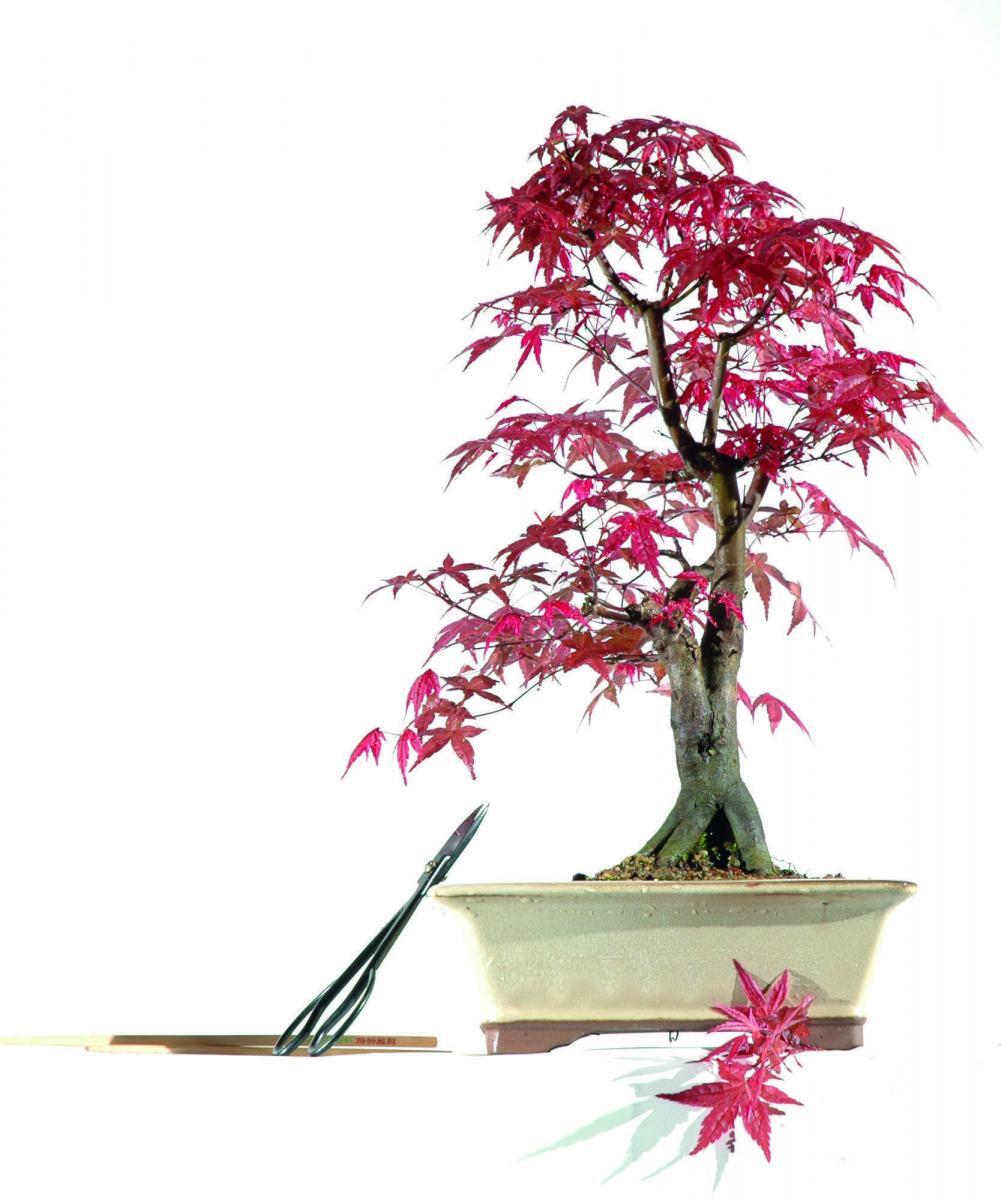
Yes, absolutely! Japanese Maple trees are one of the most popular and rewarding species to train as bonsai. They respond well to pruning, wiring, and shaping. With their beautiful leaf shapes and striking autumn colours, they create truly eye-catching miniature trees.
Why they’re ideal for bonsai:
- They have small leaves (especially in dwarf cultivars), which helps maintain proportion.
- Their fine branching (ramification) develops well with proper pruning.
- Many varieties have stunning red, orange, yellow, or purple autumnal foliage.
- They tolerate root pruning and container growth relatively well.
If you’re just starting, you might want to look for dwarf or slow-growing cultivars like ‘Katsura’, ‘Deshojo’, or ‘Orange Dream’.

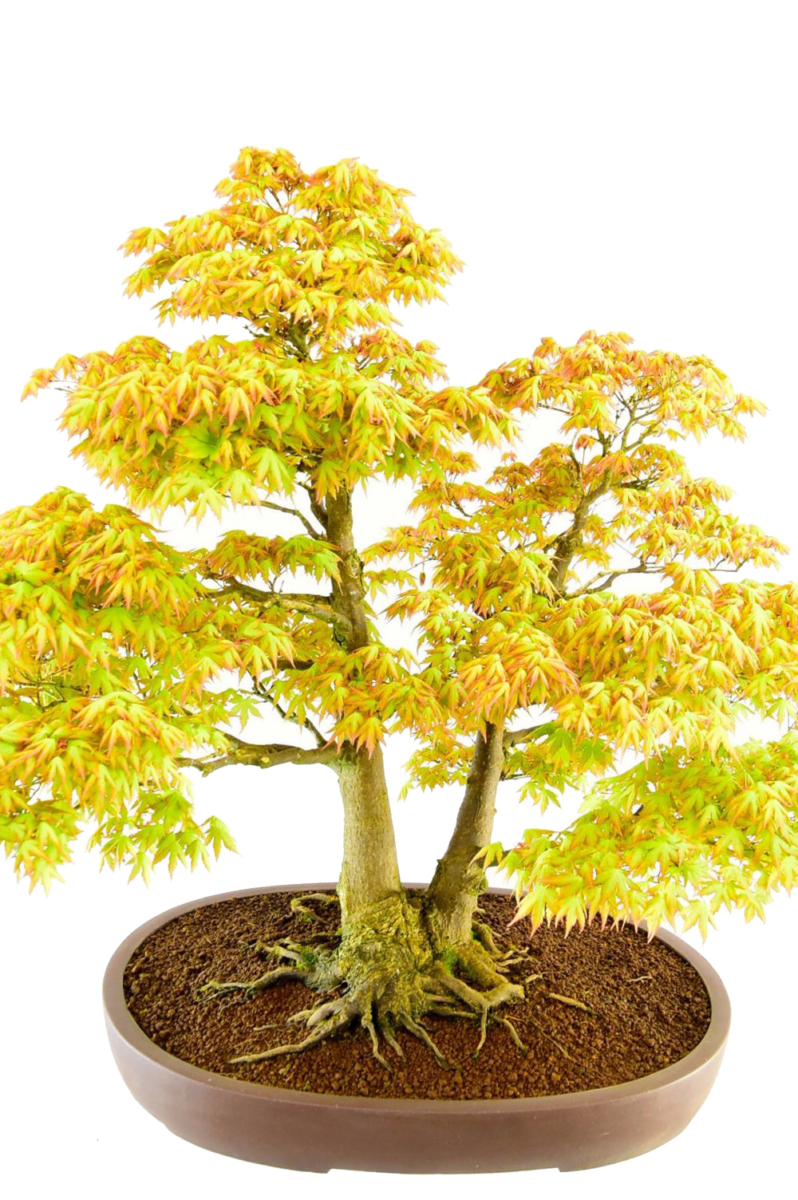
Can Japanese Maple Bonsai Grow Indoors?
Japanese Maple bonsai need to be kept outdoors – but they will be alright indoors in a cool room in summer for a couple of days if you wish to show it off! They are best suited for outdoor growing because they are deciduous, temperate-climate trees that need:
- Seasonal temperature changes (especially a cold winter dormancy period)
- Full to partial sunlight
- Fresh air circulation

Trying to grow a Japanese Maple bonsai indoors year-round often leads to:
- Weak growth
- Leaf drop or poor coloration
- Increased risk of pests and disease
- Potential of death over a prolonged period
If you must bring it indoors, it should only be temporary—such as during extreme weather or for display. Otherwise, keep your Acer palmatum outside where it can thrive through the seasons.
How Long Does It Take for a Japanese Maple Bonsai Tree to Grow?

The journey to a mature Japanese Maple bonsai takes patience and time. While you can start shaping a tree within a year or two, achieving a truly refined bonsai typically takes:
- 3–5 years for a beginner-friendly tree with basic styling.
- 10–15+ years to develop a well-ramified, artistic bonsai with strong trunk taper and detailed branch structure.
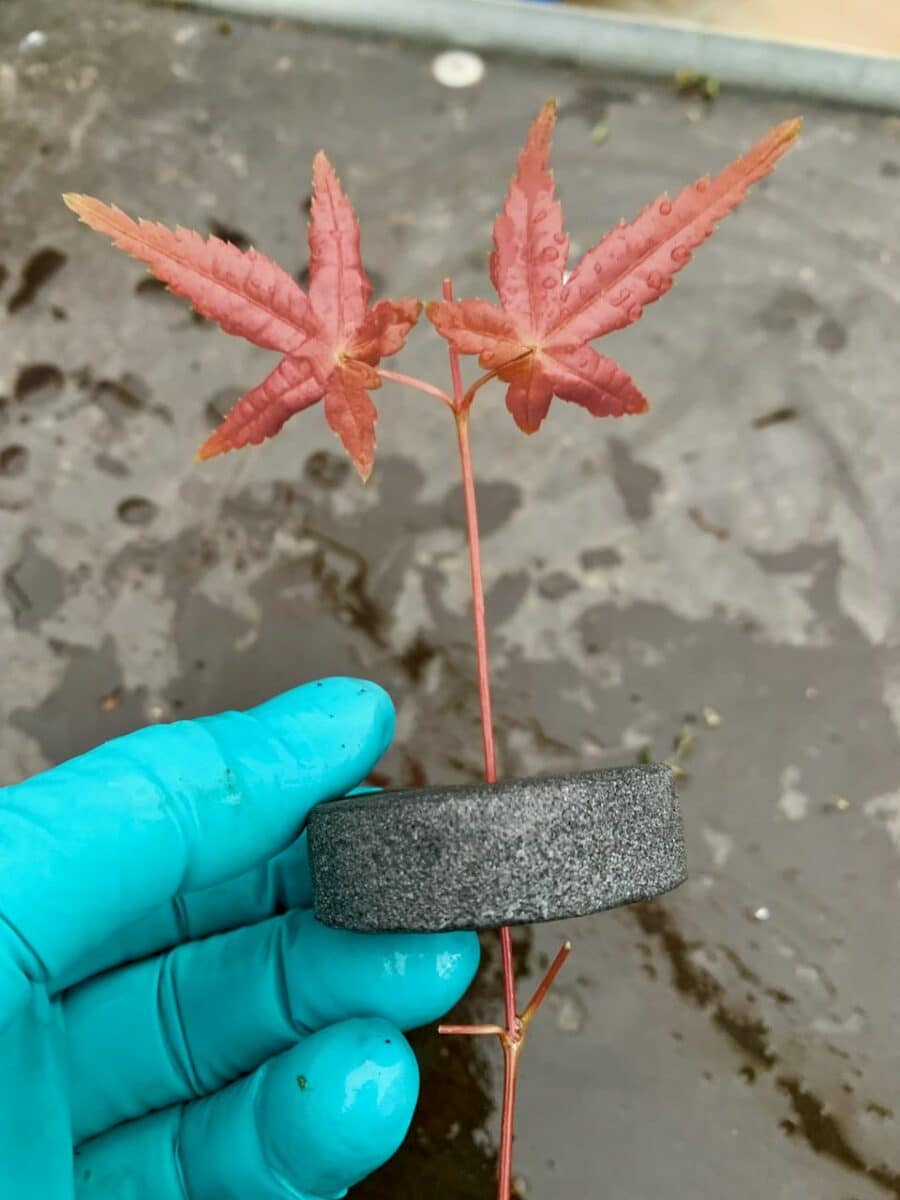
Factors that affect growth time:
- Starting material (seedling vs. nursery tree vs. pre-bonsai)
- The cultivar (some grow faster/slower)
- Your pruning, wiring, and repotting techniques
- Climate and growing conditions
Bonsai is more about the process than the destination. Watching your Acer palmatum develop over time—and adjusting your care and styling—is part of what makes bonsai so rewarding. Don’t forget to check out our YouTube channel for loads of videos about caring for Japanese Maple bonsai trees.
Final Thoughts
Japanese Maples make stunning bonsai trees when grown in the right conditions. While they’re not suited for indoor life year-round, they thrive outdoors and reward patience with beauty through every season. Whether you’re just starting out or adding to your collection, a Japanese Maple bonsai can be a centerpiece of your bonsai journey.

0 replies